
 Gift Giving
 Schedule Appointment


Recognized for Hysterectomy and Gynecologic Cancer Surgeries
Read More
This is the highest award a hospital can earn as part of U.S. News’ Best Hospitals for Maternity Care annual study, now in its fifth edition.
Read MoreCDC recommends everyone ages 5 years and older get a COVID-19 vaccine to help protect against COVID-19.
| Authorized For | Pfizer-BioNTech | Moderna | J&J/Janssen |
|---|---|---|---|
4 years and under | No | No | No |
5-11 years old | Yes | No | No |
12-17 years old | Yes | No | No |
18 years and older | Yes | Yes | * |
*Everyone ages 18 years and older should get a booster does of either Pfizer-BioNTech or Moderna (mRNA COVID-19 vaccines) at least 2 months after receiving the Johnson & Johnson's Janssen (J&J/Janssen) vaccine in most situations.
Widespread vaccination for COVID-19 is a critical tool to best protect everyone from COVID-19 and COVID-19 related complications.
Everyone ages 12 years and older should get a COVID-19 booster shot.
For more information about San Bernardino County Vaccination Center, vaccine locations, and appointments visit:
There are approximately 28 million children between the ages of 5 and 11 years old in the United States, and there have been nearly 2 million cases of COVID-19 within this age group during the pandemic. COVID-19 can make children very sick and cause children to be hospitalized. In some situations, the complications from infection can lead to death.
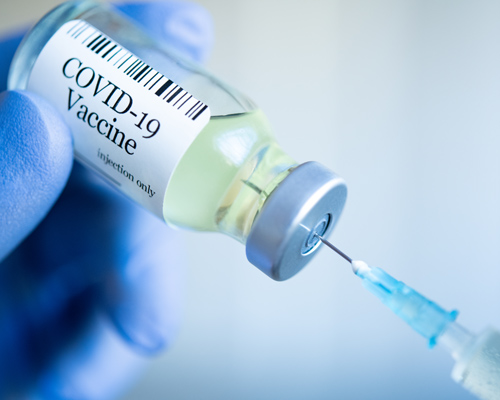
Children are as likely to be infected with COVID-19 as adults and can
As of mid-October 2021, children ages 5 through 11 years have experienced more than 8,300 COVID-19 related hospitalizations and nearly 100 deaths from COVID-19. In fact, COVID-19 ranks as one of the top 10 causes of death for children ages 5 through 11 years.
Children who get infected with COVID-19 can also develop serious complications like multisystem inflammatory syndrome (MIS-C)—a condition where different body parts become inflamed, including the heart, lungs, kidneys, brain, skin, eyes, or gastrointestinal organs. Since the pandemic began, more than 2,300 cases of MIS-C have been reported in children ages 5 through 11 years. Children with underlying medical conditions are more at risk for severe illness from COVID-19 compared with children without underlying medical conditions.
Getting a COVID-19 vaccine can help protect children ages 5 years and older from getting COVID-19.
Help protect your whole family and slow the spread of COVID-19 in your community by getting yourself and your children ages 5 years and older vaccinated against COVID-19.
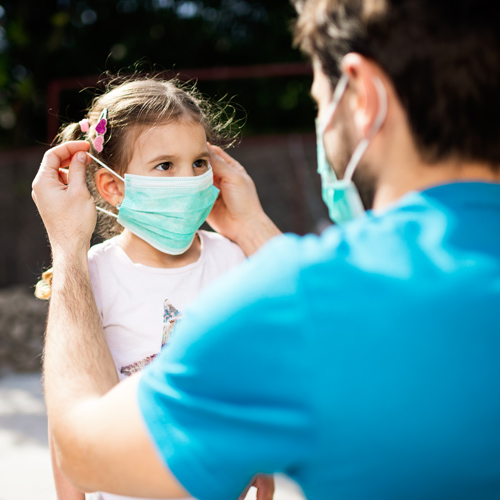
Unvaccinated children ages 2 years and older should wear a mask in public spaces and around people they don’t live with. Learn more about protecting unvaccinated family members.
Before recommending COVID-19 vaccination for children, scientists conducted clinical trials with thousands of children and no serious safety concerns were identified. The FDA gave the Pfizer-BioNTech COVID-19 vaccine emergency authorization to
use in children ages 5-15 years old and full approval to use in people ages 16 years and older. Learn more about the process of developing, authorizing, and approving COVID-19 vaccines.
The benefits of COVID-19 vaccination outweigh the known and potential risks. Get a COVID-19 vaccine for children ages 5 years and older as soon as you can.
COVID-19 vaccines are being monitored for safety with the most comprehensive and intense safety monitoring program in U.S. history. CDC monitors the safety of all COVID-19 vaccines after the vaccines are authorized or approved for use, including the risk of myocarditis in children ages 5 through 11 years.
Teens ages 12 to 17 years old should receive the Pfizer-BioNTech COVID-19 booster shot at least 5 months after completing their Pfizer-BioNTech COVID-19 primary series.
Currently, a booster shot is not recommended for children younger than 12 years old.
The experience of getting a COVID-19 vaccine will be very similar to the experience of getting routine vaccines. Use our tips to support your child before, during, and after routine vaccinations when they get a COVID-19 vaccine.
Your child may have some side effects, which are normal signs that their body is building protection.
.png?sfvrsn=2d0de16a_0 "Child shot side effects")
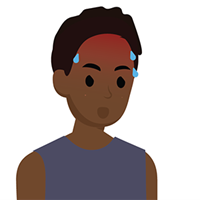
These side effects may affect your child’s ability to do daily activities, but they should go away in a few days. Some people have no side effects and severe allergic reactions are rare. If your child experiences a severe allergic reaction after getting a COVID-19 vaccine, vaccine providers can rapidly provide care and call for emergency medical services, if needed.
Ask your child’s healthcare provider for advice on using a non-aspirin pain reliever and other steps you can take at home after your child gets vaccinated. In general, aspirin is not recommended for use in children and adolescents less than 18 years of age. Placing a cool, damp cloth on the injection site can help with discomfort.
Teens ages 12 and older should get a booster shot. So far, reactions reported after getting a booster shot were similar to those after the two-dose primary series. Fever, headache, fatigue and pain at the injection site were the most commonly reported side effects, and overall, most side effects were mild to moderate. However, as with the two-dose or single-dose primary series, serious side effects are rare, but may occur.
Information gathered from CDC website.
 Find a Physician
 About Us
 Careers
 Pay Your Bill
 Help Paying Your Bill
 Price Transparency