What is Inflammation?
Inflammation is your body's built-in defense system. When you experience an injury, infection, or are exposed to harmful substances, your immune system triggers inflammation to protect your body and promote healing.
While short-term inflammation is a normal part of the healing process, inflammation that continues for weeks, months, or years becomes chronic inflammation. Over time, this ongoing immune response can damage healthy cells and has been linked to heart disease, type 2 diabetes, arthritis, certain cancers, and Alzheimer’s disease.
Although stress, poor sleep, smoking, and lack of physical activity can contribute to chronic inflammation, research shows that the foods we eat also play an important role in either increasing or reducing inflammation throughout the body.
Why Managing Inflammation Matters
Chronic inflammation often develops silently, without obvious symptoms, until it contributes to a health condition.
When symptoms do occur, they may include ongoing fatigue, joint or muscle aches, digestive problems, brain fog, or a general feeling of not being well. Because these symptoms can have many causes, it's important to talk with your healthcare provider if they persist.
The good news is that healthy lifestyle choices, including eating a nutritious diet, can help support your body’s natural inflammatory balance.
Foods That May Increase Inflammation
A healthy diet is about balance, but regularly consuming large amounts of certain foods may contribute to increased inflammation in the body. These foods are often highly processed, high in added sugars, or low in nutrients.
Foods commonly associated with increased inflammation include:
- Sugary Foods and Beverages: Soda, sweetened drinks, candy, cookies, cakes, pastries, sweetened cereals, and ice cream.
- Refined Carbohydrates: White bread, white rice, regular pasta made from refined flour, crackers, and many packaged snack foods.
- Processed and Red Meats: Bacon, sausage, hot dogs, deli meats, pepperoni, and large amounts of red meat such as beef, pork, and lamb.
- Fried and Fast Foods: French fries, fried chicken, onion rings, fast-food burgers, and other fried snacks.
- Ultra-Processed Foods: Packaged snack chips, frozen dinners, instant noodles, and packaged baked goods.
- Foods High in Saturated Fat: Fatty cuts of beef and pork, butter, full-fat dairy products, cream, and processed meats.
- Foods Containing Artificial Trans Fats: Artificial trans fats have largely been removed from the U.S. food supply but may still be found in some imported or older packaged products containing partially hydrogenated oils, including certain baked goods, frostings, shortenings, and non-dairy creamers.
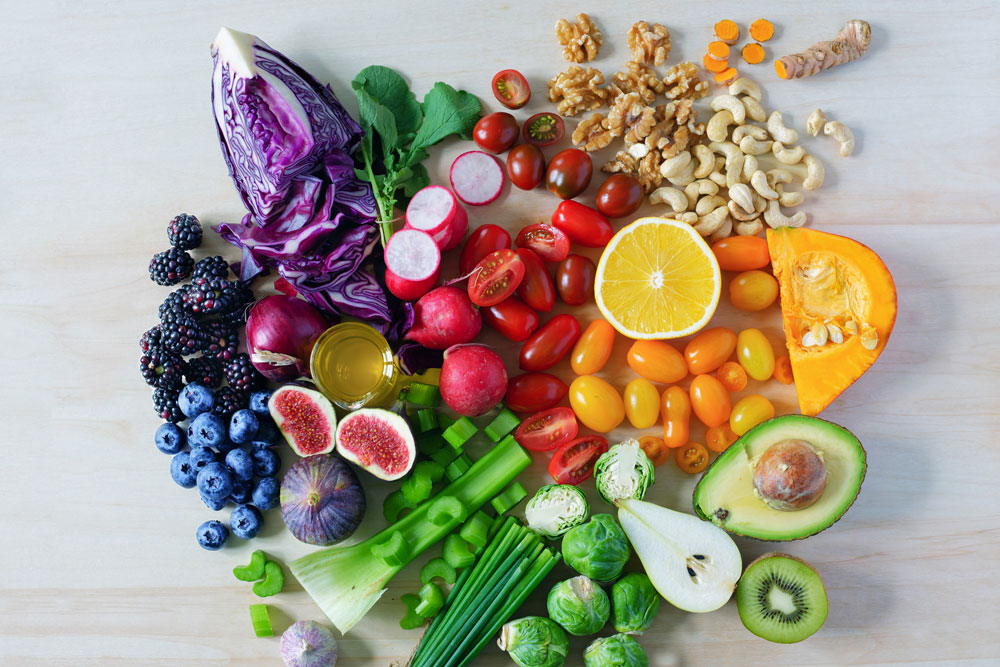
Anti-Inflammatory Foods to Add to Your Plate
Reducing inflammation does not mean following a restrictive diet. Instead, focus on adding more whole, nutrient-rich foods that provide the vitamins, minerals, fiber, and healthy fats your boy needs.
A simple guideline is to fill your plate with foods that are as close to their natural state as possible. The familiar advice to “shop the perimeter of the grocery store” can be a helpful starting point, since many fresh foods are found around the outside aisles.
Try incorporating more of these inflammation-fighting foods into your meals:
- Fatty Fish: Salmon, sardines, and other fatty fish are rich in omega-3 fatty acids, which may help reduce inflammatory markers in the body.
- Leafy Greens and Vegetables: Kale, spinach, broccoli, and other colorful vegetables provide antioxidants, including vitamins C and E, that help protect cells from inflammatory damage.
- Fruits and Berries: Strawberries, blueberries, cherries, oranges, and other fruits contain antioxidants and polyphenols that help fight oxidative stress.
- Nuts and Seeds: Walnuts, almonds, flaxseeds, and chia seeds provide fiber and healthy unsaturated fats and fiber that support overall health.
- Healthy Oils: Extra-virgin olive oil and avocado oil are excellent sources of heart-healthy fats and are key components of many Mediterranean-style eating plans.
- Whole Grains: Unlike refined grains, whole grains contain all three parts of the grain—the bran, germ, and endosperm—providing more fiber and nutrients. Choose options such as oats, quinoa, barley, farro, brown rice, and bulgur.
Small Changes Can Make a Big Difference
Supporting a healthy inflammatory balance is about more than one food or one meal. It’s the result of consistent, healthy lifestyle habits. By choosing more anti-inflammatory foods and making small, sustainable changes over time, you can help support your heart, brain, joints, and immune system while improving your overall health and quality of life.

 Gift Giving
 Schedule Appointment




 Find a Physician
 About Us
 Careers
 Pay Your Bill
 Help Paying Your Bill
 Price Transparency