
 Gift Giving
 Schedule Appointment



Recognized for Hysterectomy and Gynecologic Cancer Surgeries
Read More
This is the highest award a hospital can earn as part of U.S. News’ Best Hospitals for Maternity Care annual study, now in its fifth edition.
Read More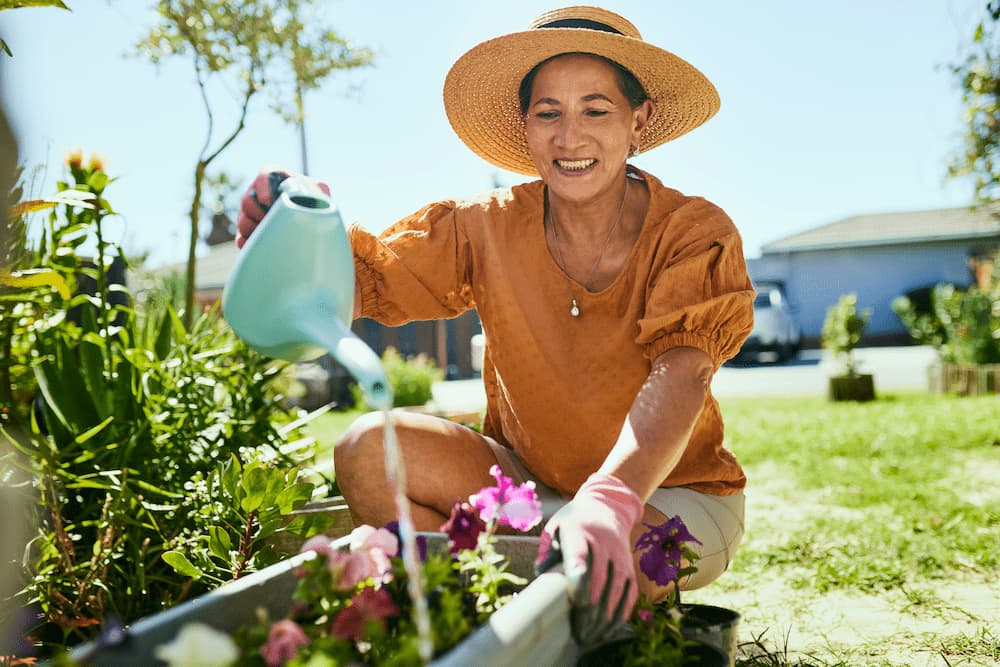
Gardening goes beyond being just a hobby; it offers significant health benefits that nurture both body and mind. By connecting with nature through gardening, you can improve your physical fitness, reduce stress, and get in touch with Mother Nature. The benefits of gardening can positively impact your physical fitness, mental clarity, and nutritional habits, guiding you toward a healthier lifestyle through this rewarding activity.
Getting outside and gardening can be a wonderful form of exercise. Tasks such as digging, raking, planting and weeding provide a great workout that enhances cardiovascular health by increasing your heart rate and improving circulation. Regularly engaging in these activities can help strengthen your heart, lower the risk of heart disease, and help you maintain a healthy weight. In fact, the Centers for Disease Control and Prevention recommends getting 150 minutes of moderate intensity activity per week, and gardening is considered just that. The average number of calories burned during gardening activities can include:
Digging - 197 calories per 30 minutes
Gardening also boosts strength and flexibility. The repetitive motions involved in tasks like planting and pruning build muscle tone and physical strength, while stretching and bending improve flexibility and mobility, reducing the risk of injury in other daily activities.
Exposure to sunlight while gardening is another key benefit, as it helps produce vitamin D, essential for bone health, immune support, and mood regulation. Spending time outdoors not only provides this vital nutrient but also strengthens your connection with nature, contributing to your overall mental well-being.
Gardening isn't just good for your body -- it's a powerful tool for enhancing mental health. Engaging with nature has been shown to significantly reduce stress and anxiety levels. The act of tending to plants immerses you in a soothing environment, offering a respite from daily pressures. The sights, sounds, and smells of a garden can transport you to a place of tranquility, lowering cortisol levels and promoting relaxation.
Additionally, gardening boosts mood and cognitive function. Physical activities like planting, weeding, and harvesting release endorphins, the body's natural mood enhancers. Gardening stimulates the brain, which reduces the risk of cognitive decline. Studies indicate that spending time outdoors and gardening can improve focus and mental clarity, making it an helpful for those facing concentration challenges or mental fatigue.
Gardening also promotes mindfulness and meditation. The repetitive motions involved in gardening tasks encourage a meditative state, allowing you to let go of intrusive thoughts and embrace the present moment. Integrating gardening into your routine can nurture both your plants and your mental health, creating a harmonious balance in life.
Growing your own fruits and vegetables is an excellent way to enhance nutrition and overall health. By cultivating your own produce, you control what goes into your garden, enabling you to choose organic methods and avoid harmful pesticides. Freshly picked fruits and vegetables not only taste better but are also rich in essential vitamins and minerals crucial for maintaining a balanced diet.
Growing your own vegetables and fruits increases the likelihood of incorporating these healthy options into your meals. Tending to your garden increases awareness of when produce is in season, fostering a greater appreciation for the food you consume. This often results in a more varied diet, featuring a wide array of nutrients that support health and well-being.
The benefits of gardening can be therapeutic and rewarding, but it’s essential to make sure your garden is accessible and enjoyable, especially for those with physical challenges.
If space is limited, consider container gardening. This option allows you to cultivate plants on patios, balconies, or windowsills using pots, hanging baskets, or vertical gardening solutions. Herbs, leafy greens, and small fruiting plants like cherry tomatoes thrive in containers and can be easily maintained in smaller spaces.
 Find a Physician
 About Us
 Careers
 Pay Your Bill
 Help Paying Your Bill
 Price Transparency