As we grow older, life’s routines often change. Retirement can mean fewer daily responsibilities, less social interaction, and the loss of purpose that once came from work or raising a family. While staying active and connected is essential for healthy aging, one companion may offer remarkable physical and emotional benefits—a pet!
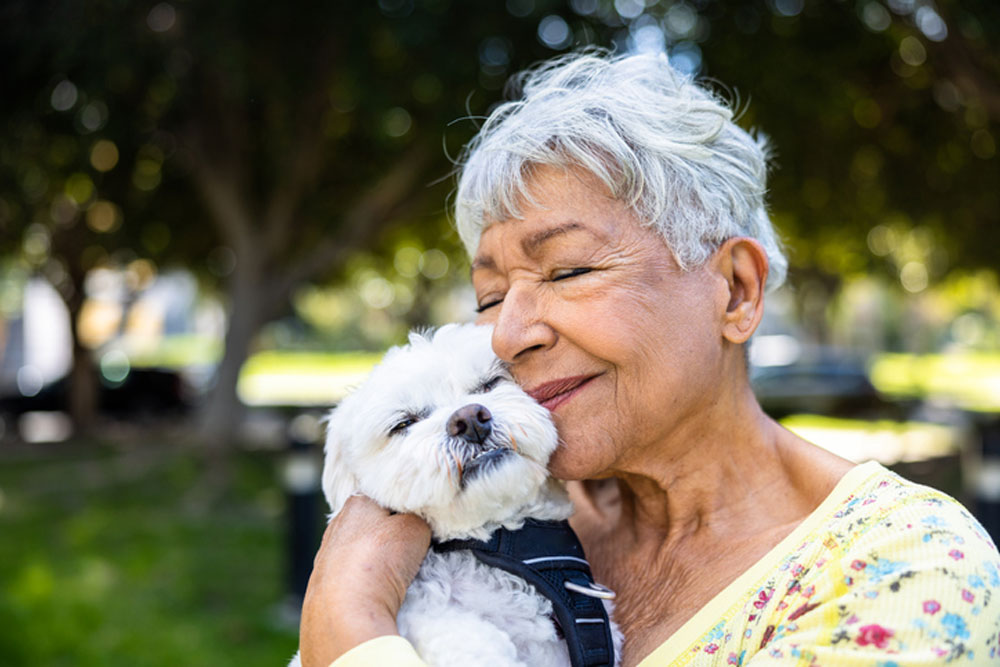
Most pet owners can attest to the unconditional love and companionship animals provide. But the benefits of pet ownership extend far beyond affection. Research continues to show that pets can improve both physical and mental health, making them wonderful companions for many older adults.
A Renewed Sense of Purpose
Caring for a pet provides structure, responsibility, and a meaningful daily routine. Feeding, grooming, and playing with an animal creates a sense of purpose and helps older adults feel needed. In fact, research shows that more than three-quarters of pet owners say their pets give them a stronger sense of purpose. Even simply daily routines can contribute to greater emotional wellbeing and a more positive outlook.
 Encourages Physical Activity
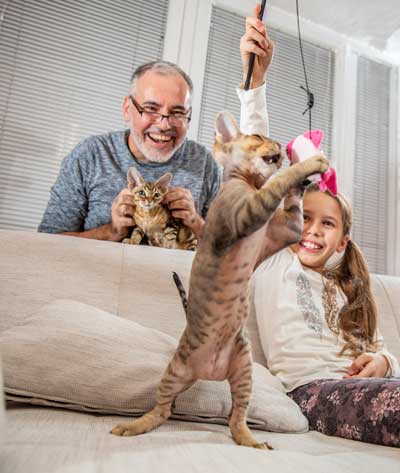
Pets naturally encourage movement. Whether it’s walking the dog, tossing a favorite toy, or simply tending to a pet’s daily needs, caring for an animal helps reduce sedentary behavior.
For dog owners especially, regular walks can improve mobility, balance, coordination, and muscle strength while supporting better joint flexibility and even sleep. Even a short stroll outdoors offers fresh air, a change of scenery, and a mental reset that can brighten your mood.
Supports Heart Health
The physical activity that comes with pet ownership also benefits the heart. Exercise doesn’t have to be intense to make a difference. Regular walking and other moderate physical activity can help improve cholesterol levels and support overall cardiovascular health. Combined with the stress-reducing benefits of companionship, pets can become valuable partners in maintaining a healthy heart.
Reduces Stress and May Lower Blood Pressure
The calming presence of pets creates a soothing effect in the body. Studies have shown that simply sitting quietly with a dog or cat can lower blood pressure, reduce levels of the stress hormone cortisol, and increase oxytocin—the hormone associated with bonding, comfort, and happiness.
For older adults, managing stress is especially important, as chronic stress and high blood pressure can increase the risk of heart disease, stroke, and other serious health conditions.

 Gift Giving
 Schedule Appointment




 Find a Physician
 About Us
 Careers
 Pay Your Bill
 Help Paying Your Bill
 Price Transparency