
 Gift Giving
 Schedule Appointment


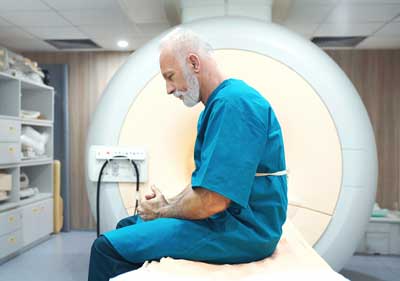 Many cancer patients report high levels of psychological distress. Anxiety is one of the more common reasons for experiencing distress. Anxiety symptoms can be triggered by a stressful event or situation, like a cancer diagnosis,
or can arise without any obvious cause. The estimated prevalence of anxiety in patients with cancer is as high as 44%, according to a study published in The Journal of Clinical Psychology.
Many cancer patients report high levels of psychological distress. Anxiety is one of the more common reasons for experiencing distress. Anxiety symptoms can be triggered by a stressful event or situation, like a cancer diagnosis,
or can arise without any obvious cause. The estimated prevalence of anxiety in patients with cancer is as high as 44%, according to a study published in The Journal of Clinical Psychology.
Anxiety is an emotion characterized by stress and fear, which a variety of factors can trigger. It is often accompanied by physical symptoms such as chest pain, racing heart, sweating, dry mouth, and difficulty breathing. Cancer, along with cancer treatments, can cause physical and emotional stress, which can lead to feelings of extreme fear, worry, and helplessness, exacerbating feelings of anxiety. In addition to newly diagnosed patients or those currently in treatment, anxiety can also arise due to fear of recurrence once a patient is in remission.
Unfortunately, anxiety can interfere with treatment decisions, tolerance of treatment, and the ability to cope with the disease. Addressing and controlling anxiety early on is vital to reducing the adverse effects of cancer treatment and improving decision-making abilities.
Taking the time to identify what triggers your anxiety can help you better understand how to manage it in the future. With the right tools and support systems in place, you can learn how to effectively manage your stress levels and anxiety so that it doesn't interfere with your daily life.
Anxiety can mimic cardiac issues in patients with cancer due to the physical similarities between the two conditions. Patients may experience chest pain, shortness of breath, fatigue, nausea, and dizziness—all common symptoms of anxiety and cardiac problems. Additionally, some people with anxiety may also have an increased heart rate or palpitations, which can further cloud diagnosis. So, it is important to seek medical attention if you believe you are suffering from anxiety to first rule out any cardiac issues.
If you are experiencing any of the following symptoms, seeking medical advice from your healthcare team is important.


 Sleep disturbances are a common symptom of anxiety in patients with cancer and can affect your quality of life. Anxiety can cause difficulty falling asleep, frequent awakenings during the night, and early morning awakenings.
It can also lead to insomnia, which is defined as difficulty falling asleep or staying asleep for at least three nights per week for more than one month.
Sleep disturbances are a common symptom of anxiety in patients with cancer and can affect your quality of life. Anxiety can cause difficulty falling asleep, frequent awakenings during the night, and early morning awakenings.
It can also lead to insomnia, which is defined as difficulty falling asleep or staying asleep for at least three nights per week for more than one month.
Sleep is an essential part of managing anxiety. Research has shown that getting enough sleep can help reduce stress and improve overall mental health. It can also help to reduce the physical symptoms associated with anxiety, such as fatigue, headaches, and muscle tension.
Good quality sleep helps to regulate hormones and neurotransmitters in the body, which are responsible for controlling emotions and moods.
A common cause of anxiety in people with cancer is uncontrolled physical symptoms related to cancer or the effects of cancer treatment. If you have uncontrolled symptoms, for example, nausea, fatigue, or pain, ask your physician about a consult for Palliative Care. The Palliative Care team includes physicians, nurses, and social workers focusing solely on your comfort.
 Educate Yourself "Knowledge is Power"
A cancer diagnosis can be incredibly overwhelming, and feeling anxious about your diagnosis and treatment plan is expected. However, understanding your diagnosis and treatment plan can help reduce some of the anxiety you may be feeling. Education helps to remove some of the unknowns and gives you the power to make informed decisions.
San Antonio Regional Hospital has an Oncology Nurse Navigator ready to assist you and your caregivers with one-on-one cancer patient education.
To talk with an Oncology Nurse Navigator, call (909) 920-6265.
To learn more about anxiety in cancer patients and coping strategies, visit the National Cancer Institute.
 Find a Physician
 About Us
 Careers
 Pay Your Bill
 Help Paying Your Bill
 Price Transparency